
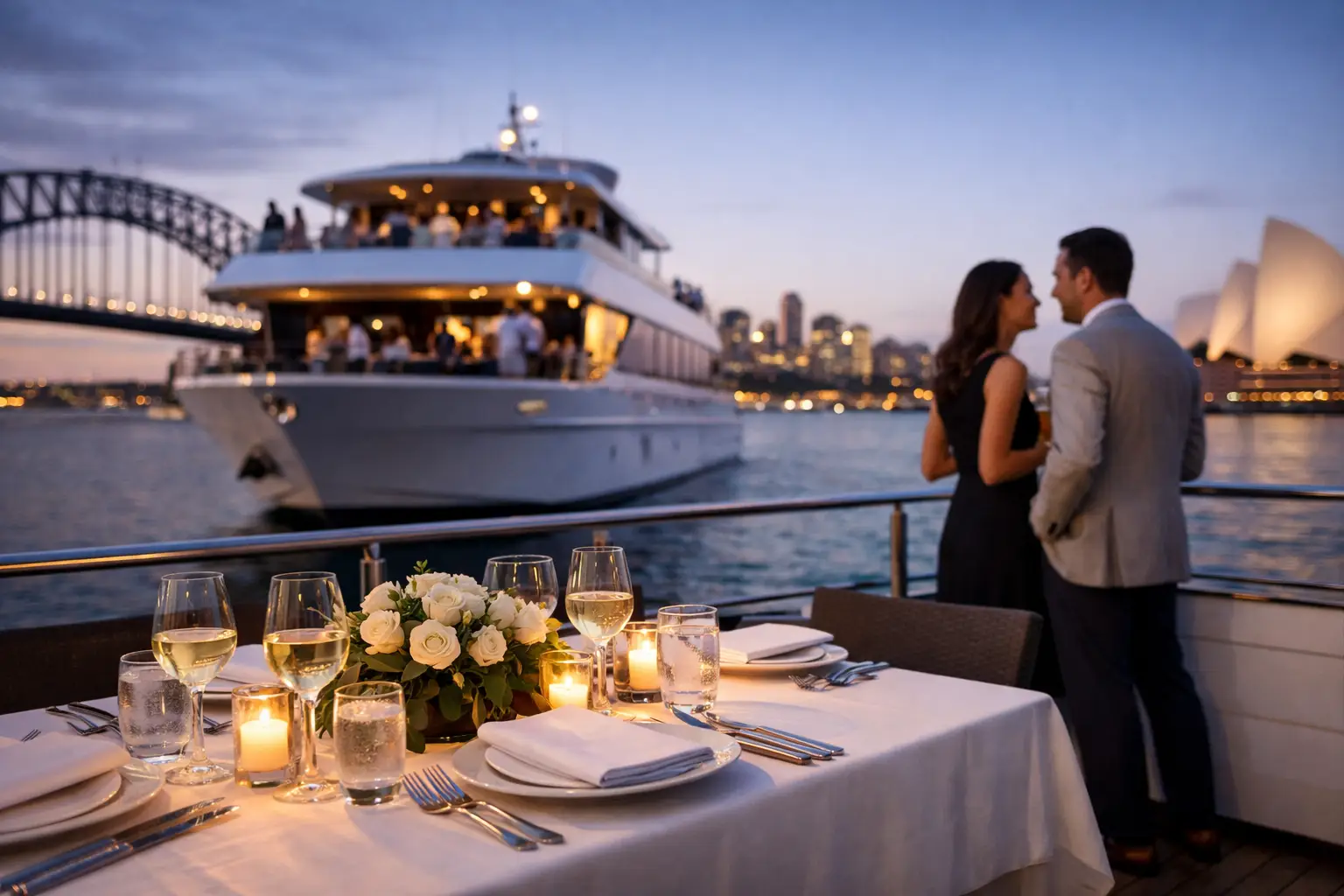
A great dinner on the water is not created by booking a boat and hoping the skyline does the rest. If you are learning how to host a harbour dinner cruise, think like an event host first: set the mood before guests arrive, give the evening a natural rhythm, and choose a vessel where people can actually eat, talk, and move comfortably.
The harbor supplies the view. Your planning supplies the feeling people remember the next morning.
Start With the Occasion, Not the Guest Count
A harbor dinner cruise can be polished and relaxed, high-energy and celebratory, or built around serious corporate hospitality. Those are very different events, even if both involve the same number of guests and the same evening departure time.
Start by deciding what success looks like. For a birthday, it may be a golden-hour arrival, a lively dinner, and space for friends to stay together after the plates are cleared. For a client event, it may be effortless hosting, conversation-friendly music, and a service style that lets your team focus on guests rather than logistics. For a team celebration, the goal could be bringing people out of their usual work roles without making the evening feel forced.
That decision shapes every choice that follows: departure time, seating, food format, music, dress code, and how much of the evening should feel structured. A dinner cruise works best when it has one clear personality rather than trying to be a formal banquet, networking event, and dance party all at once.
Choose a Vessel Built for Entertaining
The boat is the venue, so layout matters more than most hosts expect. A beautiful exterior is not enough if guests end up split across tight cabins, blocked from the view, or waiting in line for drinks while dinner is being served.
Look for open entertaining decks, comfortable lounge areas, enough protected space for changing weather, and a layout that keeps the full group connected. On a premium private charter, the difference is often in the flow: guests can arrive, get a drink, take in the harbor, settle into dinner, and continue socializing without being moved awkwardly from one cramped zone to another.
This matters especially for groups where guests do not all know each other. Spacious decks make introductions feel natural. People can join a conversation, step away for a photo, or find a quieter corner without leaving the atmosphere behind.
For larger events, ask whether multiple vessels can be connected to create one shared floating venue. This can give a group more room to dine and celebrate while preserving the energy of a single private event. True Blue Fleet, for example, can create raft-up events for groups of up to 150 guests, offering a scale that a standard single-boat setup cannot always deliver.
Pick a Departure Time That Gives the Night a Story
Timing is one of the simplest ways to make the experience feel elevated. An early-evening departure gives guests daylight on arrival, sunset during the first drinks, and the city lights as dinner moves into its livelier phase. That progression makes the event feel considered without requiring a packed agenda.
A typical evening charter needs enough time for boarding, a welcome moment, dinner service, and unhurried social time afterward. Rushing through the meal to fit in photos, speeches, or entertainment is the fastest way to flatten the atmosphere. Build a little breathing room into the schedule.
If you are hosting a formal corporate dinner, consider a slightly earlier boarding time so guests can settle in before food service begins. For a birthday or social celebration, a sunset arrival often creates the strongest opening. The changing light becomes part of the experience, and it gives every guest a reason to put their phone away for a moment and look up.
Give Guests a Clear Arrival Window
Make boarding instructions short and specific. Include the meeting point, arrival time, expected return time, dress guidance, and a contact number for day-of questions. Ask guests to arrive 15 to 20 minutes before departure rather than at the exact departure time.
A boat cannot hold the evening for late arrivals in the same way a restaurant can hold a table. Clear communication protects the experience for everyone on board.
Plan Dinner for the Setting
Food should feel generous and polished, but it also needs to suit a moving social environment. The best dinner format depends on your group, the vessel layout, and the tone of the event.
A seated plated dinner is a strong choice for client hosting, milestone occasions, and groups where speeches or a more formal program are central. It creates a shared focal point and makes the evening feel intentional. The trade-off is that it can be less flexible for mingling, so you need enough deck space before and after the meal.
Shared platters or a high-quality buffet can be more natural for social groups. Guests have more freedom to move, conversations stay fluid, and the meal feels generous without demanding that everyone remain in one place at one time. This is often ideal when the real priority is connection rather than ceremony.
Whichever format you choose, keep the menu easy to enjoy at sea. Avoid overly complicated dishes that need constant last-minute assembly or are difficult to eat while standing and talking. Confirm dietary requirements early, including vegetarian, vegan, halal, gluten-free, and allergy needs. Guests should feel looked after without being singled out.
A thoughtful drinks plan matters as much as the menu. Offer a balanced selection of wine, beer, cocktails or spritz-style options, and appealing nonalcoholic choices. The aim is warm, generous hospitality, not a bar queue that pulls people out of the moment. Professional crew and a well-planned service setup keep glasses refreshed while preserving a relaxed, polished mood.
Create a Run of Show That Never Feels Overproduced
You do not need to program every minute. In fact, an over-scheduled dinner cruise can feel less luxurious than one with a few well-timed moments.
A simple flow usually works best: welcome guests aboard, allow time for drinks and harbor views, begin dinner once everyone has settled, then move into any speeches, cake presentation, recognition moment, or music-led celebration after the meal. If you are hosting a corporate group, keep remarks concise and schedule them before conversations reach full volume.
For a birthday, save the main surprise for later in the evening. A cake, favorite song, or group toast lands better after guests have relaxed into the setting. For a client dinner, one sincere welcome from the host is often all that is needed. The harbor should not become a backdrop to a long presentation.
Music should support the room, not dominate it. Start with a laid-back playlist while people arrive and dine, then lift the energy when the evening naturally turns social. A premium sound system can make a major difference, but volume discipline matters. Guests should be able to speak easily during dinner without competing with the playlist.
Make the Details Feel Effortless
The strongest hosts handle practical details early, then stay present during the event. Confirm guest numbers before final catering is locked in. Share a final schedule with key people such as your co-host, event planner, or anyone giving a speech. Decide who is responsible for gifts, cake, decorations, name cards, or branded materials, if you are using them.
Keep decorations selective. The harbor, the boat, and the city lights already deliver visual impact. A few high-quality touches – coordinated florals, elegant table details, a custom menu card, or a modest photo moment – can add personality without crowding the deck or turning the venue into a themed set.
Dress guidance is useful, too. Guests should know whether the occasion calls for cocktail attire, smart casual, or a more relaxed social look. Suggest comfortable footwear with good grip, particularly if people will be moving between deck areas. Small pieces of guidance help everyone arrive confident and ready to enjoy the night.
Have a Weather-Smart Plan
Evenings on the water can feel cooler than expected, and conditions can change. Choose a charter experience with comfortable covered or indoor options, then communicate practical expectations to guests. A light layer is usually smart, even in warmer months.
Weather planning is not about dampening the mood. It is about choosing a venue and service team prepared to protect it. When guests feel comfortable, they stay on deck longer, engage more freely, and enjoy the view rather than worrying about the breeze.
Host the Room, Not Just the Reservation
Once guests board, your role is not to manage every detail. It is to set the social temperature. Welcome people personally where possible, introduce guests who would enjoy meeting, and make sure no one is left hovering at the edge of the group. For corporate events, this can be as simple as connecting a client with the right colleague before dinner begins.
Then let the venue do its work. A well-hosted harbor dinner cruise creates movement: people gather at the rail for the view, settle into a conversation over dinner, and reconnect across the deck as the lights come on. That is the advantage of hosting on the water. The setting gives guests a shared experience, while the right layout and hospitality give them room to make it their own.
Choose the details with care, but do not try to choreograph every second. The best evenings feel easy because the planning was done long before the first guest stepped aboard.