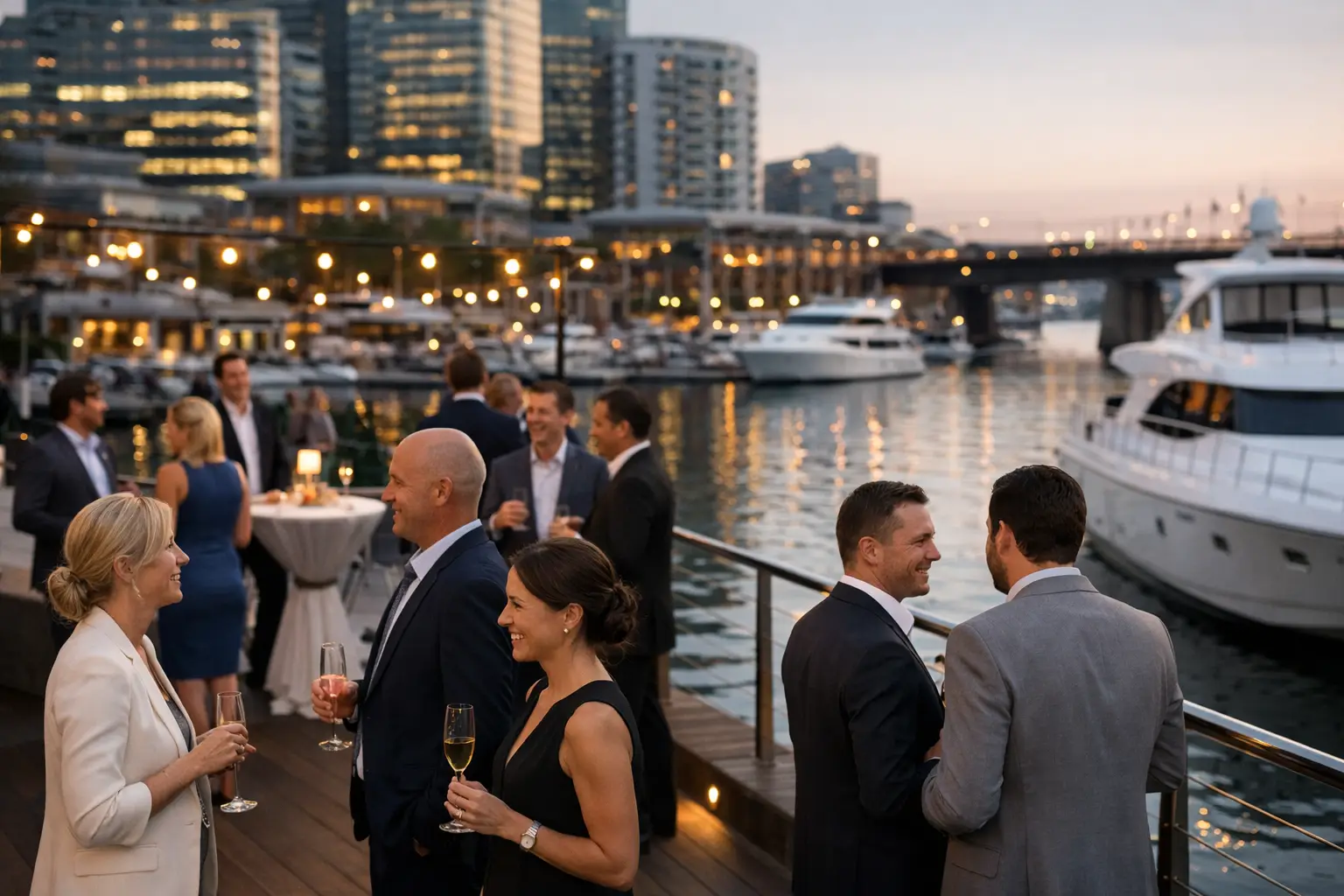
A strong corporate harbour event example is not a meeting moved onto a boat. It is a hosted experience with a clear social purpose: bring people together, give them room to connect, and make every guest feel looked after from the first welcome drink to the final goodbye. The harbor provides the setting, but the event succeeds because the format, hospitality, and timing are built around the people on board.
For corporate hosts in Hong Kong, that is the difference between a standard venue booking and an occasion people talk about long after the event. Open decks, a well-paced service plan, quality food, and a setting that encourages natural conversation can turn a client function, leadership celebration, or team event into something with real energy.
A corporate harbour event example for 50 guests
Picture a regional company celebrating the close of a successful quarter with 50 guests: senior clients, local partners, and its leadership team. The brief is not a formal dinner, and it is not an unstructured office party. The goal is to thank key people, create better connections across the group, and give guests an experience that feels distinctly more considered than a hotel function room.
The company books a private evening charter with a 5:45 p.m. arrival window. Guests board while the light is still warm, greeted by crew and directed toward an open lounge-style deck where they can settle in with a drink and small bites. There is no rush to begin a program. For the first 40 minutes, the priority is simple: let people arrive, relax, and talk.
At around 6:30 p.m., once the group is gathered and the harbor has shifted into its evening mood, the host gives a concise welcome. A short thank-you from the managing director follows, then the event moves straight back into conversation, food, and music. There is no long presentation and no forced icebreaker. The setting does the work by putting people together in a space designed for social interaction rather than rows of chairs and tables.
Dinner is served as guests continue to mix. A professional host or MC can introduce a short recognition moment, raffle, or team award later in the evening, but it should never take over the experience. By 9:30 p.m., guests leave having had time for real conversation, strong hospitality, and a shared memory that does not feel like another corporate obligation.
That is the model: polished, lively, and easy for guests to enjoy.
Start with the reason you are bringing people together
Before choosing a vessel, menu, or playlist, decide what the event needs to achieve. A client appreciation evening requires a different tone from a staff reward event. A leadership offsite celebration may need a quiet space for a speech, while a product launch needs visual impact, guest flow, and moments worth photographing.
The best corporate events have one primary purpose. Trying to make one evening a strategy workshop, awards night, networking session, and dance party can leave every part feeling rushed. Choose the main outcome, then design the charter around it.
For client entertainment, prioritize easy conversation and attentive service. Keep speeches brief, use comfortable lounge zones, and make sure your most important guests are welcomed personally. For a team celebration, a more upbeat soundtrack, interactive moments, and a later departure time may fit naturally. For a large-scale company milestone, connecting multiple vessels can create a single floating venue with space for different guest groups while keeping everyone part of the same occasion.
Why the vessel layout changes the event
A corporate charter can look impressive in photos but still feel awkward in practice if guests are separated, seating is limited, or the main deck becomes congested. Layout is not a minor detail. It determines whether people can circulate easily, whether a speaker can be heard, and whether the event feels relaxed or overly structured.
Traditional boat layouts often divide guests into smaller compartments. A lounge-style entertainment vessel does the opposite. Large open entertaining decks make it easier for colleagues, clients, and partners to move naturally between conversations. Guests can gather around the bar, settle into a lounge area, step out for fresh air, or watch the skyline without being confined to a single seat for the entire evening.
For groups of 40 to 70, this social flexibility is especially valuable. The event is large enough that guests need space to find different conversations, but intimate enough that the room should still feel connected. For larger groups, a multi-vessel setup can offer scale without losing the atmosphere of a private event.
There is a trade-off, of course. An open social format is ideal for relationship-building, but it is not the best choice for a detailed presentation that requires every guest to focus on a screen for an hour. If content is central to the event, keep the formal element short, schedule it early, and use the rest of the charter for what the harbor does best: hosting people well.
Build the evening around guest energy
The most successful on-water events do not over-program every minute. They create a rhythm. Guests need a welcoming start, a clear reason to gather for any formal moment, and enough unstructured time to enjoy the setting.
An early-evening departure works well for many corporate groups because it gives guests a smooth transition out of the workday. They arrive while there is still daylight, which makes boarding feel relaxed and gives everyone time to take in the surroundings. As sunset approaches, the mood naturally lifts. By the time the lights around the harbor take over, the event has shifted from professional to celebratory without anyone needing to force it.
Keep speeches to a maximum of a few minutes each. If there are awards, recognize a select number of people rather than turning the evening into a long ceremony. If the company wants entertainment, choose something that supports conversation instead of competing with it. A well-curated music set, a host who can manage brief announcements, or a simple branded photo moment can add personality without disrupting the flow.
Hospitality is the strongest part of the program
Corporate guests notice how an event feels before they remember the exact agenda. A warm welcome, food that arrives at the right pace, drinks served without guests needing to search for them, and a crew that understands the tone of the group all matter.
This is where a turnkey private charter earns its place. Rather than assigning an internal team member to coordinate catering, troubleshoot music, and answer guest questions, the host can focus on the people who matter. The event should feel easy from the guest perspective and controlled from the organizer’s perspective.
A premium package also gives the evening a more cohesive feel. Catering, service, sound, glassware, and deck setup should work together rather than appearing as separate add-ons. The result is not just a boat with food and music. It is a hosted environment where guests can settle in quickly.
At True Blue Fleet, the Australian-built vessels are designed around this kind of social hosting: expansive decks, lounge-style gathering spaces, professional crew, and the ability to create a bigger connected event format when the guest list calls for it.
Make the host visible, not busy
The organizer should not spend the evening checking ice levels, directing guests, or trying to find someone to make an announcement. Assign one internal point person to work with the event crew before boarding, then let that person step back once the event begins.
Prepare a simple run sheet with arrival time, welcome remarks, any special recognition, dining service, and final departure. Share it with the key speakers and keep it flexible enough to respond to the mood on board. If guests are deep in conversation, there is no need to interrupt them for a minor announcement. If a client group arrives late, shift the speech by 15 minutes rather than making half the room wait.
Thoughtful details also help. Have a named host greet VIP guests. Make dietary requirements clear in advance. Tell attendees what to wear, what time boarding closes, and whether they should expect an outdoor setting. These small decisions remove friction and make the event feel confidently managed.
Give guests a reason to remember the night
A corporate harbor event should not rely on novelty alone. The lasting impression comes from pairing a remarkable setting with a clear sense of care. Guests remember having a conversation they would not have had in the office. They remember the moment the group gathered on deck as the city lights came on. They remember feeling invited into an occasion, not processed through an itinerary.
When planning your own event, begin with the guest experience you want people to describe the next morning. Then choose the format, timing, hospitality, and vessel layout that make that feeling possible.