A standout reward should feel different the moment guests step aboard. A Hong Kong incentive cruise does exactly that: it takes high performers, valued clients, or a hard-working team out of the office and into an experience built around connection, recognition, and serious atmosphere.
The difference is in the format. This is not a meeting with a view or a standard boat rental with a few drinks added. Done well, an incentive charter becomes a private floating venue: open decks, lounge-style spaces, great food, a polished crew, a soundtrack that lifts the energy, and enough room for people to actually enjoy one another’s company.
Why a Hong Kong Incentive Cruise Works
Incentive programs work when the reward feels earned and exclusive. A cash bonus is appreciated, but it can disappear into the ordinary. A thoughtfully produced day or evening on the water becomes a shared reference point for the people who helped drive the business forward.
There is also a practical advantage. Away from desks, calendars, and meeting-room routines, people relax faster. Conversations become less scripted. Senior leaders can spend quality time with rising talent, account teams can deepen client relationships, and colleagues who rarely cross paths can connect naturally.
For companies with mixed teams of locals and expats, a private charter offers a neutral, social setting that does not feel like another formal corporate function. It can be elevated without being stiff, and celebratory without losing the professional standard your guests expect.
Build the Reward Around the Group
The best incentive charter starts with one question: what should guests feel when they leave? The answer changes the experience.
For a sales team that has just hit an ambitious target, the mood may be high-energy and social, with a sunset departure, music, premium catering, and time on deck to celebrate together. For a client reward, the emphasis may shift toward relaxed hosting, quality service, strong food and beverage, and space for easy conversation. For a leadership retreat, a daytime charter can combine a short strategic session with a more informal afternoon on the water.
Guest count matters just as much as the objective. A group of 20 can feel intimate and highly tailored. A group of 70 needs more deliberate flow between dining, socializing, and entertainment areas. Larger events may call for multiple vessels rafted together, creating one connected floating venue while keeping the experience private and well managed.
Avoid trying to make one itinerary satisfy every possible preference. A reward event lands harder when it has a clear personality. Decide whether the headline is sunset hospitality, a beach-club-style day on the water, client entertaining, or an all-out team celebration, then let the schedule, music, menu, and dress code support that choice.
What Makes an Incentive Charter Feel Premium
A premium experience is not simply about being on a larger boat. It is about removing friction before guests ever notice it.
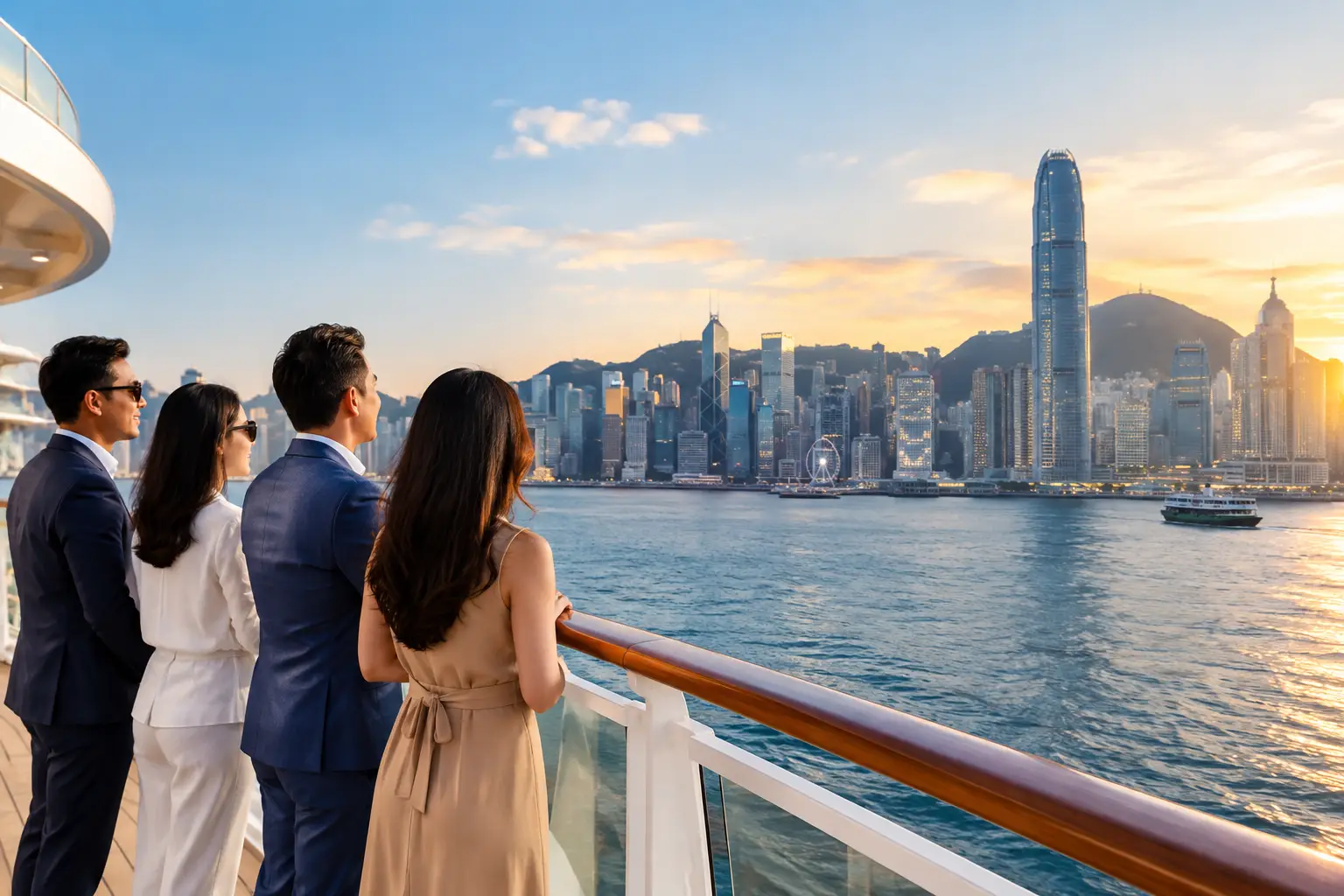
Start with the setting. Spacious open entertaining decks and comfortable lounge areas let the group gather rather than split into small, disconnected pockets. That matters for incentives because the energy of the event is part of the reward. Guests should have room to move, take in the harbor, find a comfortable seat, and join the action without feeling crowded.
Then focus on hospitality. Freshly prepared onboard catering, well-paced beverage service, and professional crew support keep hosts from spending their own event solving logistics. Your organizers should be able to welcome guests, recognize achievements, and enjoy the occasion too.
The visual element deserves attention as well. A distinctive vessel, a strong sunset backdrop, and thoughtfully arranged deck spaces give the event an immediate sense of occasion. For image-conscious teams and clients, those details shape how the reward is remembered and shared afterward.
At True Blue Fleet, Australian-built vessels have been designed as open-deck, lounge-style event spaces rather than traditional junk boats. That creates a more social layout for corporate groups, with the scale to host anything from a focused private incentive to a large-format celebration across connected boats.
Plan the Run of Show, Not Just the Cruise
A charter has a natural advantage: guests are already away from distractions. Use that time with intention, but do not over-program it. The strongest incentive events move between structured recognition and unstructured social time.
A typical evening might begin with a polished arrival and welcome drinks on deck. Once everyone has settled in, a short speech or awards moment can set the tone. Keep it concise. The reward is the experience itself, not a long presentation transplanted from the office.
After the recognition moment, let the atmosphere open up. Serve food while guests mingle, introduce music that fits the group, and give people time to enjoy the view and each other. If the itinerary includes a swim stop, build in clear timing and crew-led guidance so the transition feels organized and guests can take part at their comfort level.
For a daytime event, consider starting later than a standard workday. A late-morning or early-afternoon departure gives guests a relaxed arrival, while still leaving time for lunch, a water stop, and a sunset return. The right timing depends on the season, guest profile, and whether the event is meant to feel like a full-day reward or a sharp, high-impact evening.
Details That Raise the Experience
The small choices are often what separate a memorable incentive event from a generic group outing. Before confirming the charter, give the event team a clear brief on four areas:
- The audience: employee reward, client hosting, leadership group, or a mix of guests
- The desired energy: relaxed and refined, celebratory, or fully social
- The recognition moment: awards, milestone announcement, thank-you speech, or no formal program
- The practical needs: dietary requirements, accessibility considerations, transport timing, and branding
That brief helps shape the event from the beginning rather than forcing last-minute additions into a fixed package. It also prevents a common mistake: choosing an impressive-looking charter that does not have the deck layout, service model, or capacity needed for your group.
Branding can be effective, but restraint usually feels more premium. A welcome sign, a tasteful awards moment, or a branded photo area may be enough. Covering every surface with logos can make a private reward feel like a trade-show activation. Let the setting do much of the work.
When a Cruise Is the Right Incentive Choice
A private charter is particularly effective when you want to reward contribution while strengthening relationships at the same time. It suits sales incentives, annual achievement celebrations, executive client entertainment, regional team gatherings, and milestone company events.
It is less suitable if the priority is a content-heavy workshop, a tightly controlled seated dinner, or a program that requires every guest to focus on a screen for hours. In those cases, a land-based venue may be the better primary setting, with an evening charter used as the reward component afterward.
Weather is another factor worth planning around honestly. The experience is at its best when the deck is part of the event, so work with an operator that has clear contingency planning and knows how to adapt the flow of the day. Premium hospitality is as much about calm, prepared decision-making as it is about the original itinerary.
Make Recognition Feel Like an Occasion
The most effective incentive events do not need excessive production. They need the right people, a setting that feels genuinely special, and a host team that can make the occasion run smoothly from boarding to the final toast.
Give your top performers more than a thank-you message and a restaurant reservation. Give them a moment that feels designed for the work they put in, the relationships they built, and the standard they helped set. On the water, with the city behind them and the team together, recognition has a way of feeling bigger – and staying with people longer.