A large boat event should feel like one great party, not a group of separate gatherings competing for space, music, and attention. That is the central idea behind this guide to large format boat events: when your guest list grows, the venue, run sheet, hospitality, and on-water setup all need to work harder. Get those details right and a corporate function, milestone birthday, or private celebration becomes a genuinely standout occasion.
The biggest difference between a standard charter and a large-format event is not simply capacity. It is how confidently the experience holds a crowd. Guests need room to move, places to connect, clear moments of energy, and service that keeps pace without interrupting the atmosphere.
Start With the Event, Not the Headcount
A guest count tells you how many people are coming. It does not tell you what kind of event they expect. Before choosing vessels or packages, decide what success looks like at the end of the day.
For a corporate client event, that might mean a sophisticated arrival, a strong food and beverage program, space for senior guests to talk, and an evening setting that feels distinctly more memorable than a hotel function room. For a birthday or social celebration, it may be about music, open-deck energy, sunset photos, swimming time, and a crowd that stays connected rather than splitting into corners.
The occasion should shape the schedule. A daytime raft-up has a different rhythm from a sunset harbor event. A client-facing gathering may benefit from a polished welcome window and a shorter speech moment, while a social group might want more unstructured time around the lounge areas and swim platforms. There is no single ideal format. The right one depends on the people in the room, the season, and whether the goal is conversation, celebration, or both.
Choose a Venue Built for Social Flow
Large groups expose poor layouts quickly. On a conventional boat, guests can end up squeezed into narrow walkways or divided between enclosed areas. The room may technically fit everyone, but the energy can feel fragmented.
For a large-format boat event, prioritize open entertaining decks, generous lounge space, and clear sightlines across the vessel. People should be able to see where the action is happening, move naturally between food, drinks, music, and seating, and find a comfortable place to settle without disappearing from the event.
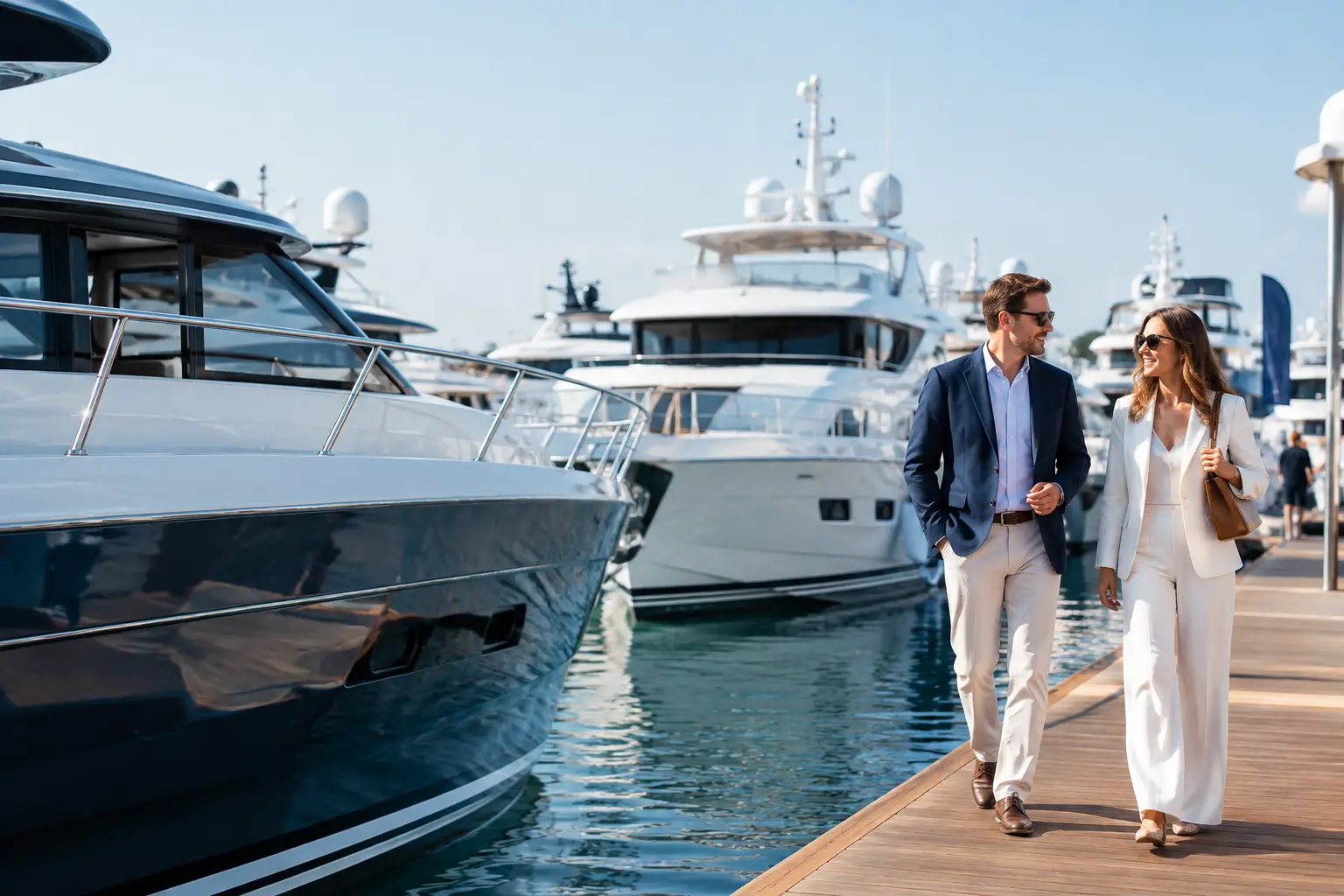
This is where purpose-built party boats offer a different experience from a traditional charter setup. An open-deck layout encourages the group to share the same atmosphere. It creates space for a central music moment, a toast at sunset, an easy food service flow, and the kind of candid photos that make the event feel alive long after it ends.
For groups approaching 100 guests or more, multiple connected vessels can be the smarter choice. A raft-up expands the venue without turning one deck into a bottleneck. It also lets you create distinct but connected zones: a main social deck, a relaxed lounge area, a food-focused space, or a quieter setting for conversation. The key is to make each zone feel intentional, not like overflow.
Build a Run Sheet With Breathing Room
The best events look effortless because the timing has been considered in advance. That does not mean every minute needs a formal activity. It means the important transitions are planned so guests never wonder what is happening next.
Allow enough time for arrivals. On-water events have a different pace from land-based venues, and a rushed boarding experience can flatten the energy before the boat has left the dock. Give guests a clear meeting point, set an arrival window that is realistic for Hong Kong schedules, and make the first 20 minutes easy: welcome drinks, music, space to take in the setting, and no immediate pressure to gather for a speech.
From there, think in chapters rather than a rigid program. Arrival and connection come first. Then the event can build through food service, a scenic highlight, a planned celebration moment, and a more relaxed final stretch. If swimming or inflatables are part of a daytime charter, schedule them while there is plenty of daylight and make sure the crew-led safety briefing is clear and uncomplicated.
Speeches should be short, well-timed, and placed where the group can actually hear them. If you are hosting a corporate event, avoid putting key remarks at the exact moment food is being served or guests are trying to take photos. For birthdays, save the main toast or cake reveal for a point when everyone has arrived and the atmosphere has built naturally.
Make Hospitality Part of the Experience
At a premium boat event, food and drinks are not a box to check. They are part of the hospitality story. Service should complement the pace of the event, with fresh catering that is easy to enjoy while standing, talking, and moving around the deck.
Menus work best when they are designed for the setting. A multi-course, formal dining format may suit a smaller executive occasion, but it can slow a larger social event. Shareable, high-quality catering and well-managed beverage service often create a more natural flow for a crowd. Guests can eat when they are ready, keep conversations moving, and return to the center of the action without being tied to a seat.
Ask early about dietary requirements, especially for company groups. A thoughtful host makes sure guests with vegetarian, vegan, halal, gluten-free, or allergy-related needs feel considered rather than accommodated as an afterthought. It is a small operational detail that makes a big difference to the overall standard.
Service matters just as much as the menu. Professional crew and event staff should know the occasion, understand the schedule, and quietly keep the experience moving. When the hosting is handled well, the organizer gets to enjoy the event instead of managing ice, playlists, catering questions, and guest directions from their phone.
Create One Shared Atmosphere
Large events need a focal point. It could be a DJ set, a curated playlist, a live announcement, a branded activation, or simply the moment the boats come together in a raft-up. Without a focal point, even a beautiful venue can feel like several smaller gatherings happening at once.
Sound is especially important. Premium sound systems can create energy across an open deck, but volume should match the purpose of the event. A daytime social charter may call for upbeat music that carries through the venue. A client entertainment event may need a more refined soundtrack early on, building later as the formal side of the evening winds down.
Visual details should support the setting rather than compete with it. Consider a dress code that fits the event, simple branded touches for corporate hosts, or a photo moment positioned around the open deck and harbor backdrop. Over-decoration can make a vessel feel crowded. A few confident choices usually have more impact.
For company groups, build the brand into the experience with restraint. A welcome sign, a short address, discreet event collateral, or a team photo can be enough. The real value is giving colleagues and clients an environment where conversation happens more naturally than it would in a boardroom.
Plan for Comfort, Weather, and Guest Needs
A polished event plan accounts for conditions without making them the focus. Hong Kong weather can shift quickly, so ask how the venue handles shade, rain cover, route adjustments, and changes to the day’s schedule. A strong operator will have practical options and communicate them clearly before boarding.
Comfort also comes down to the basics: enough seating for the type of group you are hosting, accessible restroom facilities, shade during the hottest parts of the day, and a clear plan for guests who prefer not to swim or stand for long periods. Not everyone experiences an event in the same way. Designing for different comfort levels makes the entire group feel more at ease.
It also helps to be precise in guest communications. Share the boarding time, what to wear, what to bring, whether swimming is planned, and any event-specific expectations. A concise message before the day saves a surprising amount of friction and lets guests arrive ready to enjoy themselves.
A Guide to Large Format Boat Events That Feel Effortless
Scale does not have to mean compromise. The best large-format boat events feel personal because the event design gives every guest a reason to engage – whether that means finding a lounge corner with old friends, meeting a new client over great food, stepping onto the swim platform, or joining the crowd for a sunset toast.
True Blue Fleet is designed for exactly this kind of occasion, with Australian-built vessels, open entertaining decks, lounge-style spaces, and raft-up capability for private events of up to 150 guests. The advantage is not merely more room. It is the ability to turn multiple boats into one connected, hospitality-led venue where the energy stays high and the experience stays considered.
When you are planning at this scale, choose the details that your guests will actually feel: space to move, food worth talking about, music with the right mood, a crew that knows the plan, and a setting that brings everyone into the same moment. That is how a day on the water becomes the event people keep talking about.