A 120-person celebration should not feel like two separate boat parties that happen to be anchored nearby. The best multi vessel event setup example creates one connected social venue: guests arrive into the same energy, move naturally between spaces, and always know where the next moment is happening.
For a large birthday, company celebration, client event, or milestone gathering, connecting vessels changes what is possible. Instead of squeezing a bigger group onto one deck, you can design distinct areas for dining, drinks, music, conversation, and water access – while keeping the entire event feeling social and intentional.
A Multi Vessel Event Setup Example: 120 Guests, Two Connected Boats
Picture a private late-afternoon charter for 120 guests. The event begins at a central marina pickup, with hosts and crew directing guests aboard quickly and comfortably. Rather than splitting the group by boat, the two vessels travel together and connect at the event location to form one floating lounge-style venue.
One vessel becomes the high-energy social deck. Its open entertaining area is arranged around the sound system, with generous standing room, lounge seating, and a staffed drinks point positioned away from the main traffic line. This is where the arrival buzz builds, where announcements happen, and where the group gathers later as the music lifts.
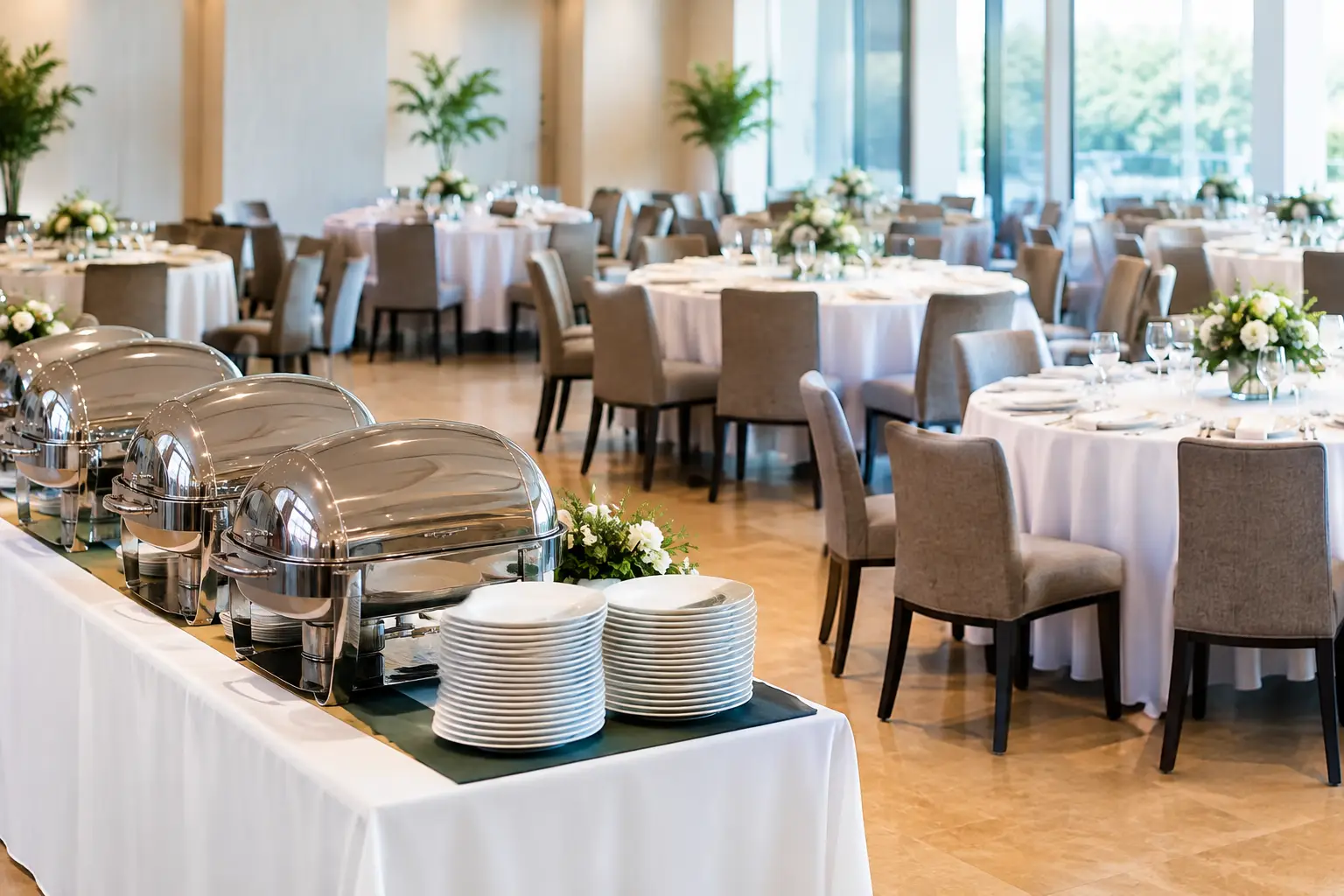
The second vessel takes a more hospitality-led role. It provides a dedicated catering area, additional shaded seating, and a calmer space for guests who want to catch up without competing with the speakers. Food is presented in planned waves rather than all at once, helping the deck remain open and easy to move through.
Once the vessels are securely rafted together, the connection point becomes part of the experience, not a bottleneck. It is kept clear, well managed by crew, and wide enough for a steady flow in both directions. Guests can circulate between decks without feeling like they are entering a different event.
The event layout at a glance
For this kind of group, the strongest setup usually assigns a clear purpose to each zone:
- Social deck: music, dancing, key announcements, and the central group atmosphere
- Hospitality deck: catering, drinks service, seated conversations, and a more relaxed pace
- Water-level zone: oversized swim platform access, inflatables when conditions allow, towels, and crew supervision
- Connection zone: an uncluttered passage between vessels, monitored throughout the event
The goal is not to divide people into categories. It is to give them choices. An executive can have a proper conversation on one deck, then join the larger group for a toast minutes later. Friends can move from the swim platform to the music area without crossing through a crowded food line.
Why Connected Vessels Work Better Than a Single Large Deck
A single vessel can be a brilliant setting for an intimate group. But as guest numbers rise, a multi-vessel layout gives the host far more control over atmosphere. It creates breathing room without diluting the crowd energy.
That matters particularly for corporate hospitality. A client function needs enough movement and buzz to feel special, but also places where introductions and conversations can happen comfortably. A birthday group may want the opposite at certain points – one shared moment where everyone is gathered for a cake reveal, speech, sunset photo, or final dance set.
With two connected boats, both experiences can exist at once. The event has scale, but it does not become impersonal.
The visual impact matters too. Two Australian-built vessels connected on the water create a backdrop that feels designed for a major occasion. Open decks, lounge-style spaces, and a coordinated event setup offer a sharp contrast to the usual crowded, fixed-seat boat format. Your guests are not simply aboard for a ride. They are stepping into a private waterfront venue that happens to move with the harbor.
The Guest Journey: From Boarding to the Final Toast
The difference between a good large-group charter and a great one is often felt in the transitions. Guests should never be left wondering where to go, when food is arriving, or whether they are allowed to use a particular area.
For this setup, the first 30 minutes are about boarding, welcome drinks, and easy introductions. Music sets a confident tone without overpowering conversation. The host can remain near the social deck entrance, greeting people as they arrive, while crew guide bags, shoes, or personal items where needed.
As the boats head toward the event location, guests spread across both decks. This is the right window for passed bites or the first catering service, especially when attendees are arriving from the office. Once the vessels are connected, the host or event lead can make a short welcome announcement and explain the layout: food on one deck, music and gathering point on the other, and water access only when opened by crew.
At sunset, bring everyone together. This may be a company toast, birthday cake, awards moment, or a group photo with the skyline behind the fleet. A central gathering is essential because it gives the event a shared memory, not just a collection of individual conversations.
After that moment, the venue can open up again. The social deck becomes more energetic, while the second boat stays comfortable for guests who prefer a quieter corner. Later catering can be timed around the group’s rhythm, not forced into a rigid schedule.
Planning the Setup Around Your Event Type
The same multi-vessel format can feel very different depending on the occasion.
For a corporate event, prioritize arrival efficiency, comfortable conversation areas, clear branding moments, and a run sheet that protects the timing of speeches or presentations. If senior clients are attending, keep the music-led area slightly separated from the main hospitality deck so the energy stays polished rather than overwhelming.
For a major birthday or social celebration, give more space to the central entertainment area and build the evening around two or three moments: the first toast, a sunset photo, and the cake or headline celebration. You may also want to schedule water activities earlier, when daylight, weather, and crew assessment make them appropriate.
For a mixed group of colleagues and friends, the two-deck format is especially valuable. It avoids asking everyone to enjoy the event in exactly the same way. Some guests will stay close to the action; others will use the lounge areas as their base and join the bigger moments when it counts.
Details That Keep a Large Event Feeling Premium
Capacity is only one part of the decision. A well-run 120-guest event needs service points that do not interrupt the social flow, enough seating for guests who need a break, and a crew team that remains visible when support is needed without taking over the experience.
Catering deserves more planning than most hosts expect. A menu should fit the event timing, guest mix, and deck layout. Food that can be enjoyed comfortably while standing may suit a high-energy evening, while a more substantial service can work for a daytime corporate function. Dietary requirements should be collected in advance, not handled as an afterthought at boarding.
Music also needs a plan. One premium sound system is often better than competing audio across both vessels. Place the main sound on the social deck, then let the hospitality deck remain a place where people can still speak normally. The result is more sophisticated and more enjoyable for a broader group.
Weather and water conditions are another real consideration. Raft-up events depend on operating conditions, location permissions, and crew judgment on the day. A quality event plan includes alternatives for timing, vessel positioning, and activity flow rather than pretending every element is guaranteed regardless of conditions.
Choosing the Right Scale for Your Group
A multi-vessel event is not automatically the right answer for every booking. For 40 guests who want one close-knit atmosphere, a single spacious open-deck charter may deliver a stronger result. Once a group moves toward 80, 100, or 120 guests, connected vessels become far more compelling because they protect comfort while increasing the scale of the experience.
True Blue Fleet can connect multiple vessels into a single private event venue for groups of up to 150 guests, pairing the high-energy appeal of a party boat with the service standards of a professionally hosted function. The best setup begins with the guest list, the occasion, and the atmosphere you want people talking about afterward.
Start by deciding what your one unforgettable shared moment will be. Then build the vessel layout, hospitality timing, and entertainment around it. That is how a large event on the water feels personal from the first welcome to the final toast.