
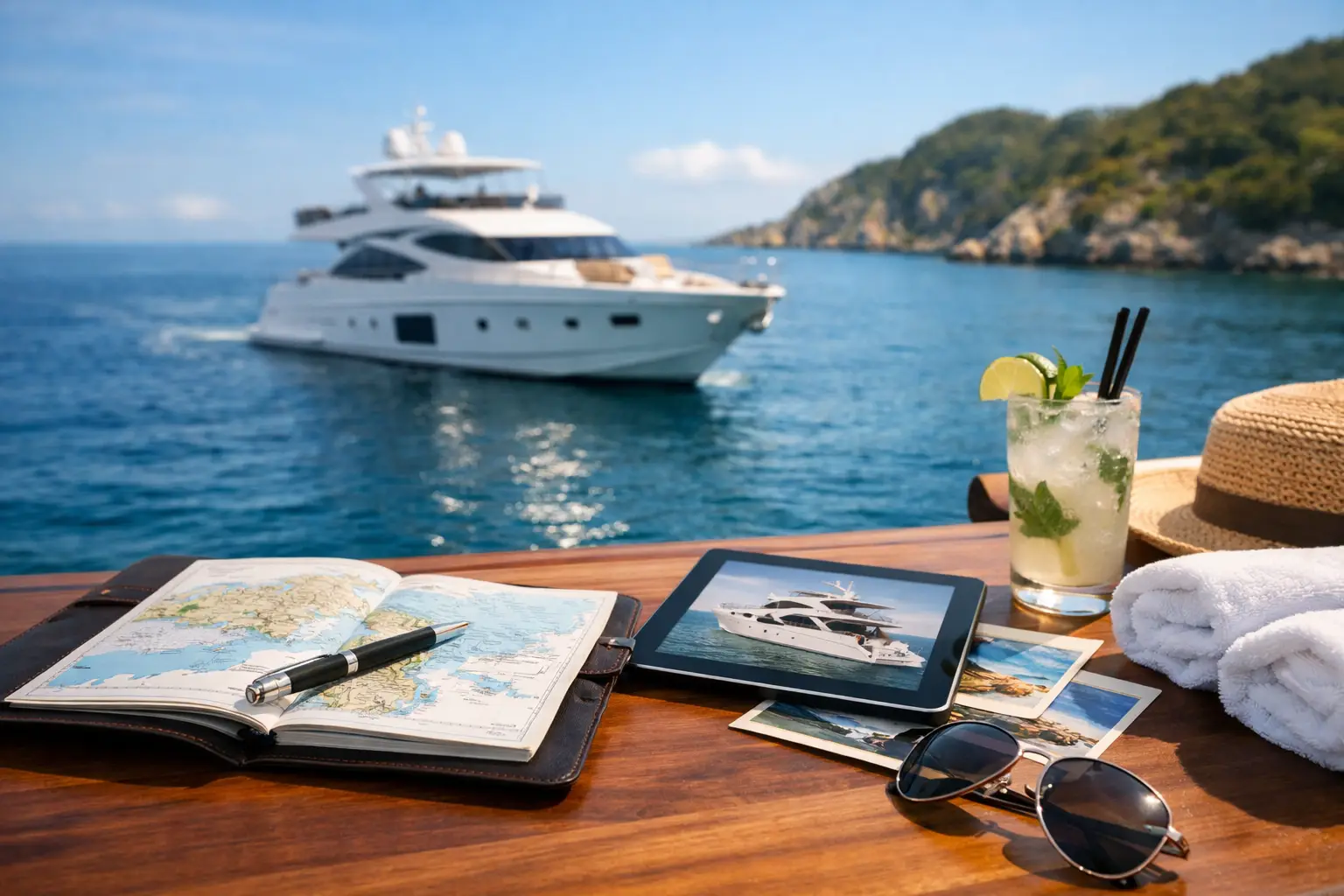
The best yacht events feel effortless for guests because someone made smart decisions early. That is exactly what this private yacht charter planning guide is for – not just choosing a boat, but building the kind of day or night people talk about long after they step back on shore.
If you are organizing a birthday, client event, team celebration, or big social gathering, the charter itself is only one part of the experience. Layout, hospitality, food, music, timing, and group flow matter just as much. Get those right, and the boat becomes more than a venue. It becomes the reason the event works.
Start with the event, not the vessel
A strong private yacht charter planning guide always starts with one question: what kind of atmosphere are you trying to create?
That sounds obvious, but it is where many organizers go off track. A sunset networking event needs a very different setup than a raft-up birthday or a high-energy evening cruise. One group wants smooth service, easy conversation, and a polished arrival. Another wants open decks, great sound, plenty of movement, and a social layout that keeps everyone together instead of splitting people across cramped levels.
Before you look at photos or package options, define the event in plain language. Is this meant to impress clients? Give your team something elevated? Mark a milestone birthday with a crowd that wants energy and style? The clearer the goal, the easier every other decision becomes.
Guest count changes everything
This is where planning gets practical fast. A vessel can technically hold a certain number of guests, but that does not always mean it will feel comfortable.
For premium events, capacity should never be treated as a maximum target. You want enough room for people to move, gather, eat, take photos, and actually enjoy the atmosphere. Spacious open-deck layouts make a major difference here, especially for social events where the point is to interact, not just sit in fixed positions.
A group of 25 may want a more intimate lounge feel. A group of 60 needs circulation, clear service flow, and enough deck space to avoid bottlenecks around drinks, food, or boarding. Once you move into large-format celebrations, the right operator can sometimes connect multiple vessels into one floating event venue, which creates scale without sacrificing comfort.
That trade-off matters. Packing people onto a boat might lower the cost per head on paper, but it can flatten the experience. Premium charters work because they feel generous with space.
The right private yacht charter planning guide focuses on layout
Photos can be misleading. A polished image does not always reveal how a charter feels once guests are actually on board.
When comparing options, look closely at the layout. Ask yourself where people will naturally gather. Is there one main social zone or are guests split apart? Is the deck built for entertaining or does it feel like a standard vessel being used for events as an afterthought? Are there open lounge areas where the whole group can connect, or will the energy break up into smaller pockets?
For social and corporate events alike, layout shapes momentum. Large open entertaining decks tend to create stronger atmosphere because everyone shares the same experience – the music, the view, the arrival moment, the toast, the swim stop, the sunset. That sense of togetherness is hard to create on boats that feel segmented.
Food and drinks should match the tone of the event
Catering is not a side detail. It is part of the event identity.
If you are hosting clients or senior colleagues, the food and beverage experience needs to feel polished and easy, with service that keeps the event moving. For birthdays and social charters, you may want something more relaxed and generous, but still clearly premium. The difference is not only what is served. It is how it is presented, replenished, and managed throughout the charter.
This is one reason all-inclusive planning works well for private groups. It reduces coordination and avoids the usual problems of piecing together separate vendors. Still, not every package is equal. Ask what is freshly prepared, what is included from the start, and how the service is handled on board. The more transparent the offering, the easier it is to trust the result.
Timing shapes the energy
One of the most overlooked parts of any private yacht charter planning guide is timing. The same boat can feel completely different depending on when your charter starts.
Day charters are typically more relaxed, social, and movement-driven. Guests spread out, enjoy the water, and settle into the deck atmosphere naturally. These are strong for birthdays, weekend groups, and celebration-led events where people want that floating beach club feel without losing comfort.
Evening charters bring more drama. City lights, sunset transitions, and after-work departures make them ideal for corporate entertainment, stylish social events, and milestone celebrations that want a sharper visual impact. The trade-off is that evening events often need a tighter run sheet. Boarding, catering, speeches, and music timing need more structure to keep the event flowing.
It depends on your crowd. If your guests want a full-day social experience, daytime often wins. If they want a polished event with a bigger sense of occasion, evenings usually carry more impact.
Music, mood, and guest flow matter more than people expect
The strongest charters are designed around how guests actually behave.
People do not spend hours admiring the boat itself. They move between drinks, conversation, food, photos, and key moments. That means the sound system, service rhythm, and deck setup all need to support interaction rather than interrupt it.
For a social event, premium sound can define the mood from the first half hour. For a corporate function, music still matters, but it needs to complement the event rather than dominate it. The same goes for event pacing. A charter with no structure can lose momentum. One that is over-managed can feel stiff. The sweet spot is having enough planning behind the scenes that the event feels natural on the surface.
This is where experienced charter hosts stand out. They understand that hospitality is not just about serving drinks or clearing plates. It is about reading the room and keeping the atmosphere consistent from boarding to disembarkation.
Weather planning is part of premium planning
No serious organizer skips this.
A good charter experience is not based on hoping for perfect weather. It is based on knowing what the options are if conditions shift. Ask about rescheduling terms, route flexibility, shaded areas, and how the crew manages changes on the day.
This does not mean your event should feel cautious. It just means the planning should be realistic. The best operators make weather contingencies feel calm and controlled, not stressful. That confidence becomes part of the guest experience too.
For corporate groups, brand impression is everything
A private yacht event can be one of the strongest hospitality formats available – if it feels intentional.
For client entertainment, leadership events, and team celebrations, the vessel should reflect the standard of your brand. That means polished presentation, professional crew, quality catering, and a setting that feels distinctive from the moment guests arrive. It also means choosing a format that encourages conversation rather than forcing everyone into a rigid program.
In Hong Kong, where many guests have already experienced the usual options, a more elevated on-water event stands out quickly. A premium operator such as True Blue Fleet brings an advantage here because the experience is built around hospitality-led entertaining, not just boat hire.
Ask better questions before you book
The final stage of any private yacht charter planning guide is simple: verify the experience you think you are buying.
Ask what is included from the start. Ask who handles event coordination. Ask how boarding works, how food service is timed, what the deck layout is best suited for, and what kind of crowd the charter works best for. If you are planning a larger event, ask whether the operator can scale the experience without making it feel fragmented.
Premium charters are worth it when they remove friction. You should not be chasing suppliers, solving logistics mid-event, or wondering whether the onboard atmosphere will match the photos. You should feel like the event is in capable hands before the first guest arrives.
The smartest charter planning is never about adding more for the sake of it. It is about choosing the details that shape how the event feels – spacious, social, polished, and genuinely memorable.